




Frequently Asked Questions
What makes Chargehive different from a CRM?
CRMs capture interactions. Chargehive governs the operational reality beneath them — billing state, entitlements, risk, payments, lifecycle logic, and support context. It is the infrastructure your customer operations run on, not just another application layer.
How does Chargehive consolidate customer data?
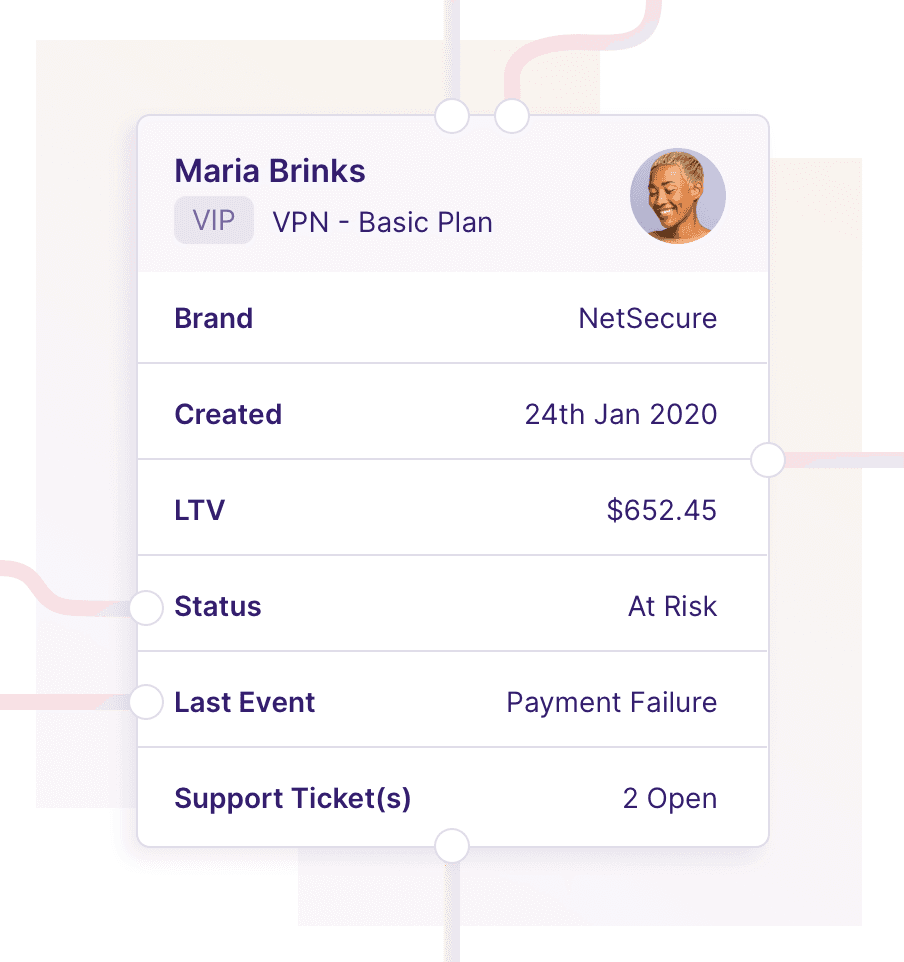
Chargehive merges identity, billing, payments, events, usage, and support data into one governed record. No sync jobs, no stitching, no conflicting sources — just a clean operational profile used by every system.
Can Chargehive replace multiple tools we already use?
Yes. Chargehive replaces fragmented systems for lifecycle management, entitlement logic, billing-state tracking, customer event handling, and support context. Most customers reduce their operational stack by 5–12 tools.
How does Chargehive improve data accuracy?
By centralising the operational truth, Chargehive eliminates duplication, timing gaps, system conflicts, and manual reconciliation. Billing, payments, support, messaging, and analytics all run from the same authoritative data layer.
It's Time
Legacy CRMs weren’t built to manage the operational weight of millions of users, complex entitlements, billing states, and global lifecycle logic.
If you’re ready for a governed operational core that scales without breaking, let’s discuss your architecture, not just another tool.